Many people think enlarged pores are caused by only one issue.
But in Korean dermatology, pores are rarely treated with a one-size-fits-all approach.
Different pore types often require different treatment strategies.
This is one reason why international visitors searching for Pore Treatment in Busan increasingly choose consultation-based treatment plans instead of selecting procedures alone.

Why Understanding Your Pore Type Matters
One of the most common mistakes visitors make is choosing treatments based only on social media recommendations.
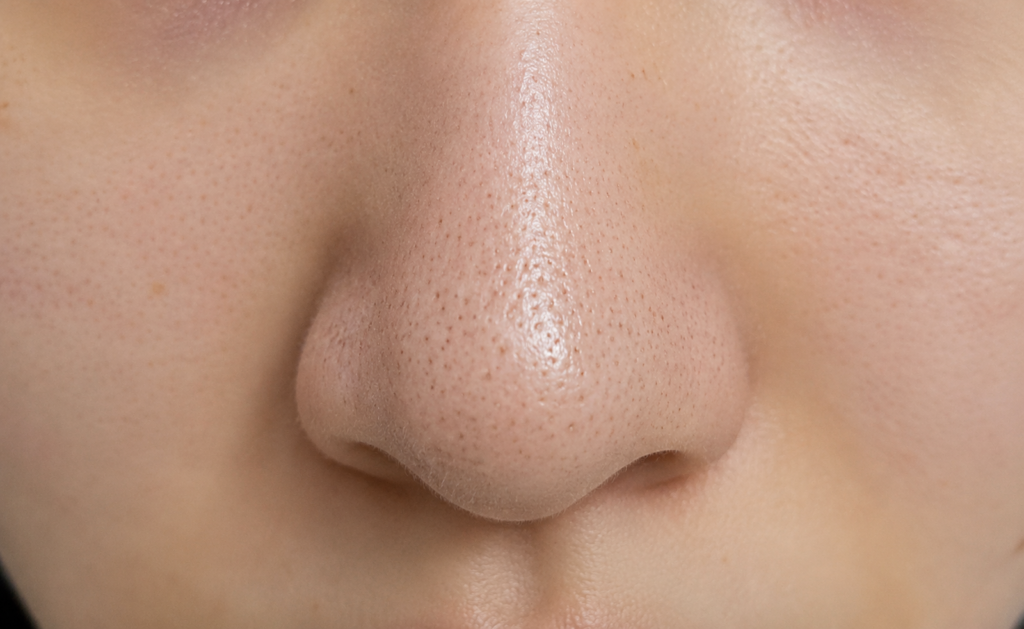
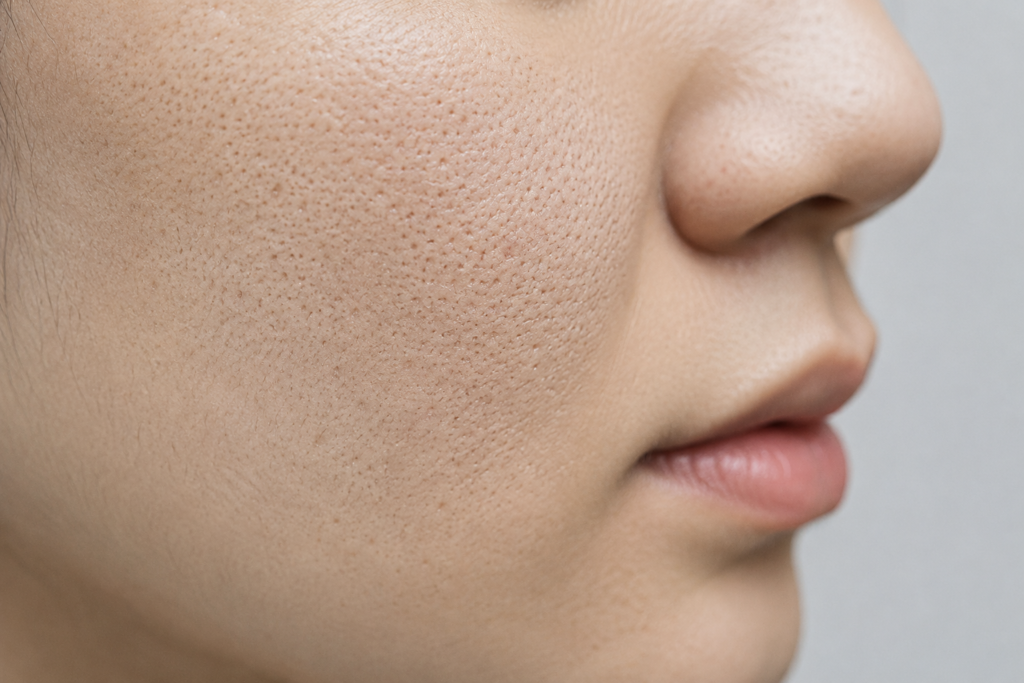
But pores can appear larger for very different reasons.
Examples include:
- Excess oil production
- Reduced skin elasticity
- Acne and inflammation history
Understanding what causes your pores often leads to more personalized and effective treatment planning.
Common Types of Pores & Korean Dermatology Approaches
Korean dermatologists often evaluate pores by considering what contributes most to their appearance.
Treatment Comparison by Pore Type
| Pore Type | Characteristics | Commonly Recommended Treatments |
|---|---|---|
| Sebum-Type Pores | Enlarged pores with excess oil and shine | Potenza / Virtue RF |
| Elasticity-Type Pores | Pores become more visible as skin loses firmness | Rejuran / Retuo |
| Acne-Type Pores | Texture changes related to acne history | Virtue RF / Fraxel |
Treatment recommendations vary depending on skin condition and individual goals.
What These Treatments Focus On
Each treatment works differently depending on the cause of the pores.
Sebum-Type Pores
Often selected for visitors who experience:
- Excess oil production
- Congested pores
- Shine and uneven texture
Technology such as RF-based approaches may support overall skin texture improvement.
Elasticity-Type Pores
For pores that appear larger because of reduced firmness.
Common goals include:
- Improving skin quality
- Supporting elasticity
- Creating smoother skin appearance
Acne-Type Pores
Visitors with previous acne concerns may focus more on texture refinement.
Treatment plans may consider:
- Skin surface condition
- Scar appearance
- Recovery preference

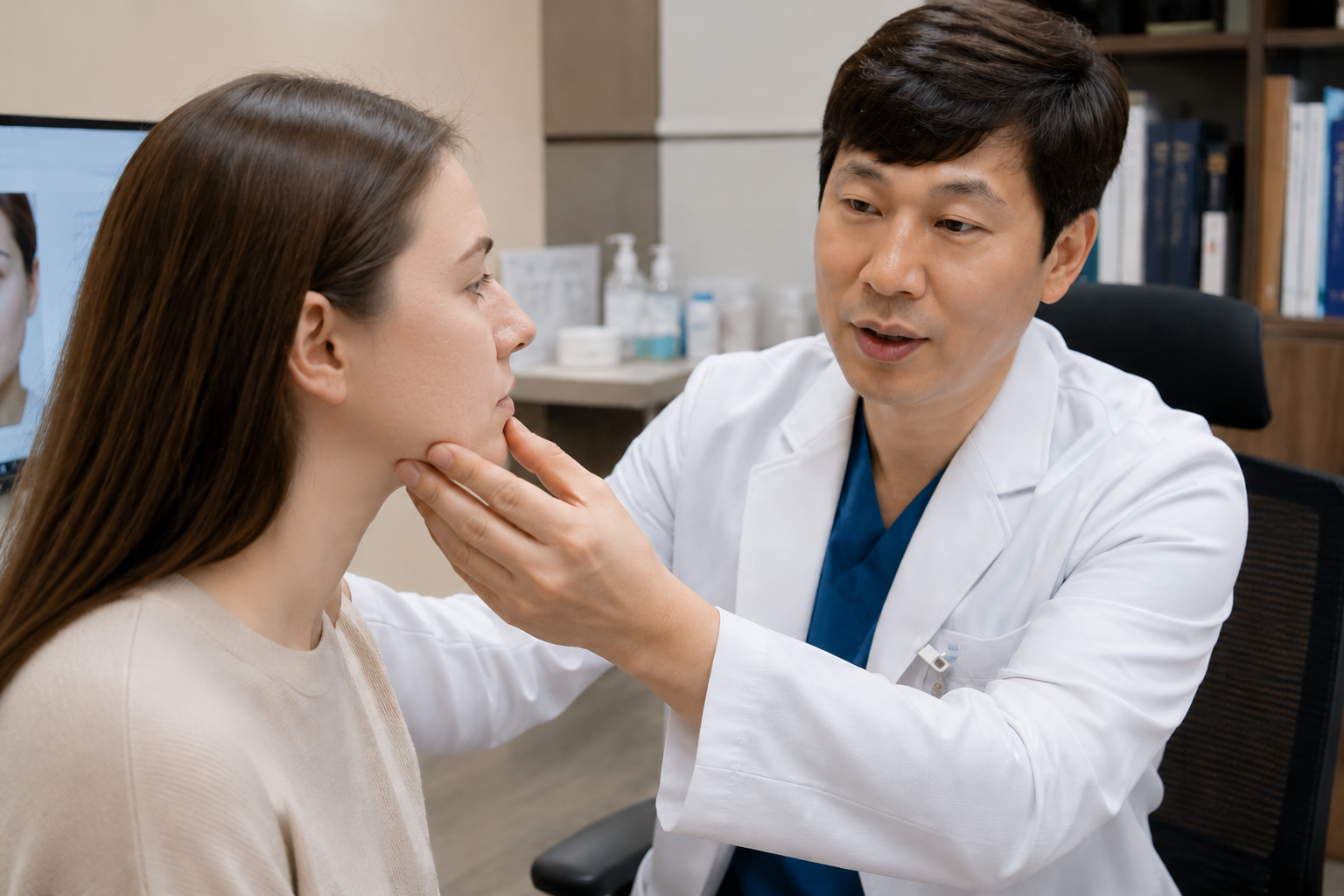
Why Korean Dermatologists Focus on Consultation First
One treatment does not fit every pore type.
This is why Korean dermatology often starts with:
✔ Skin evaluation
✔ Treatment matching
✔ Combination planning
✔ Progress tracking
Rather than simply choosing a device, dermatologists look at overall skin condition and goals.
For international visitors, this often leads to more personalized results.
Want to Understand Your Pores More Deeply?
Before choosing a treatment, some visitors prefer understanding their skin in more detail.
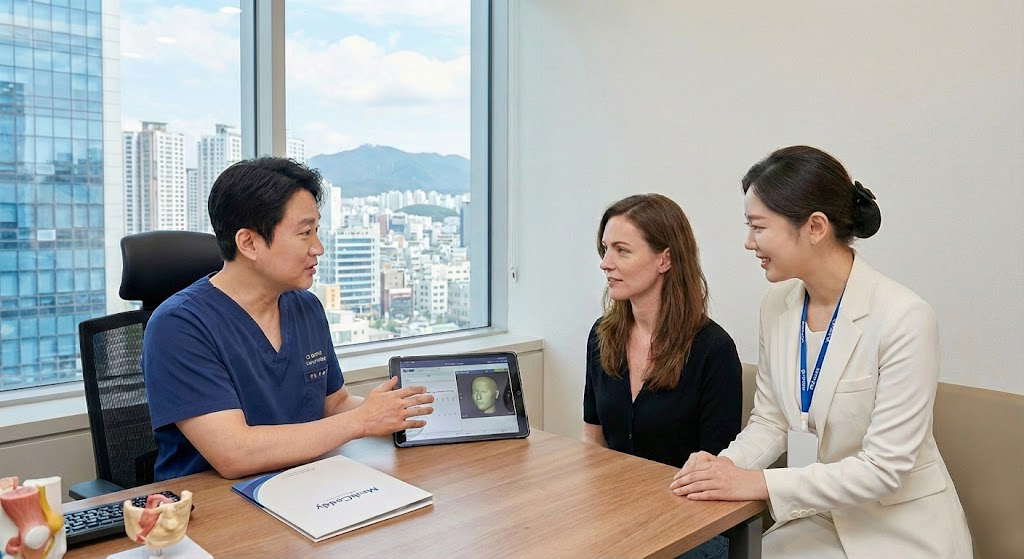
At MediCaddy BeautyLab, visitors can experience a personalized skin analysis program designed for international travelers.
The analysis includes evaluation of:
- Pores
- Skin elasticity
- Pigmentation
- Skin tone
- Redness
- Hydration
- Sebum & porphyrin
- Overall skin condition
After the session, visitors receive:
✔ Personalized skincare consultation
✔ Skin report in their preferred language
✔ Korean product recommendations
✔ Guidance on suitable skincare routines
This helps visitors understand not only which treatment to choose—but why.
Reserve Through MediCaddy Korea
MediCaddy Korea helps international visitors explore Korean dermatology more comfortably.
Support includes:
- Dermatology clinic recommendations
- Treatment explanation support
- Reservation coordination
- Multilingual communication assistance
This allows visitors to experience Pore Treatment in Busan more confidently.
Final Thoughts
Pore concerns are more complex than they seem.
Instead of searching for one “best treatment,” understanding your pore type first may lead to better decisions.
For travelers looking for Pore Treatment in Busan, combining dermatologist consultation with personalized skin analysis can create a more meaningful Korean skincare experience.