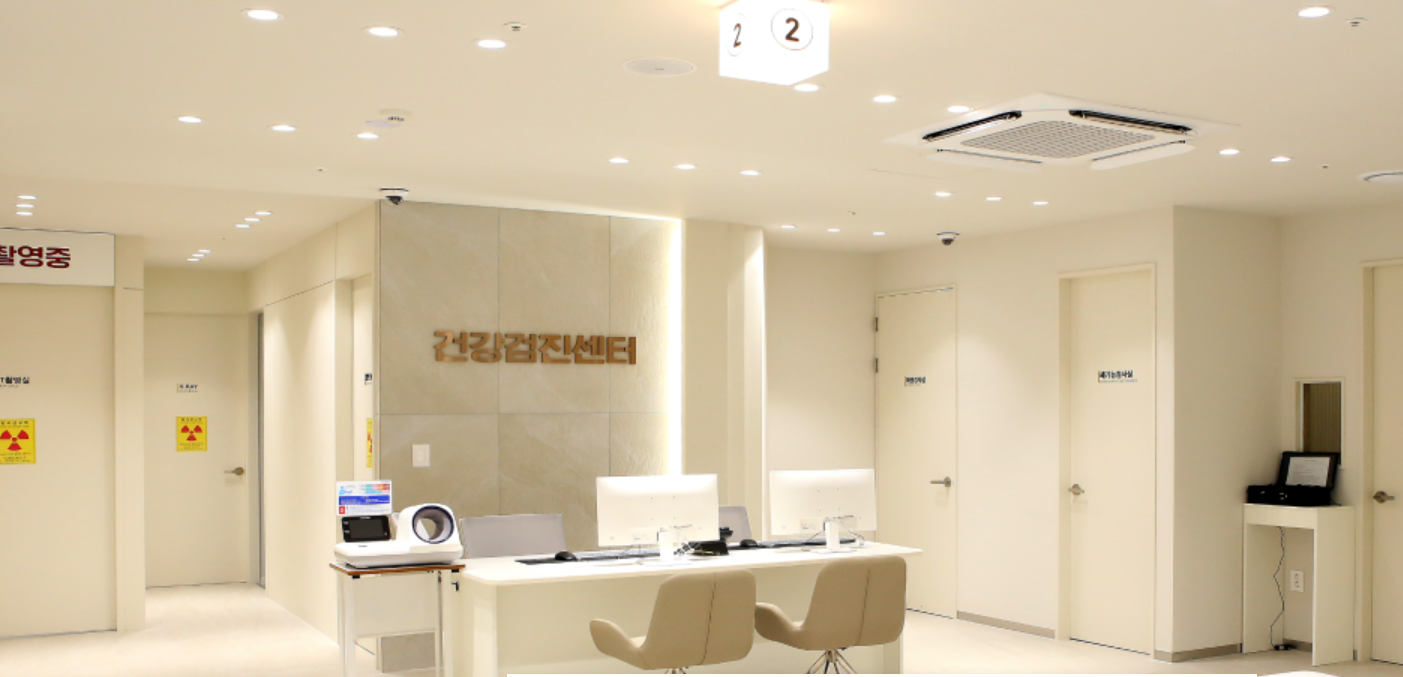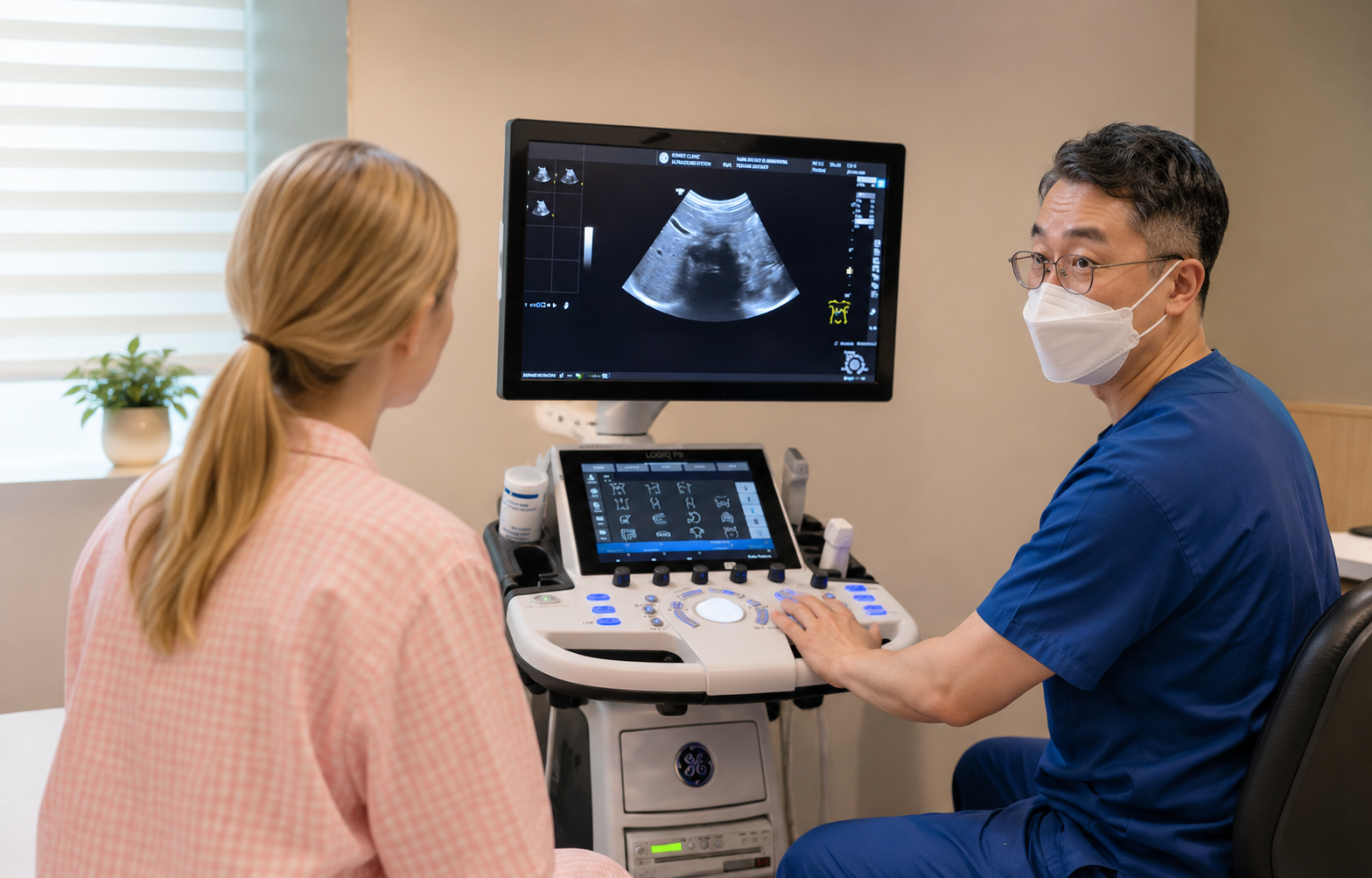
Planning to have a full body checkup in Korea?
Korea is increasingly recognised as a convenient destination for comprehensive health screening. Hospitals offer structured checkup programs that allow patients to complete multiple examinations in one location, often within a single morning or day.
Depending on your age, medical history, family history, lifestyle and budget, you can choose from basic, premium or VIP programs and add more specialised examinations where necessary.
For international visitors, this can be much easier than arranging separate appointments with multiple specialists. Selected Korean hospitals also provide international patient services, appointment coordination and English-language reports. Official Korean medical-tourism information highlights the accessibility of health screening services, including advanced diagnostic programs and consultations for international patients.
This guide explains how health screening programs in Korea work, which tests may be included, typical costs and how MediCaddy Korea can help you choose and book the right hospital.
What Is a Full Body Checkup in Korea?
A full body checkup is a preventive health screening program designed to assess your general health and identify possible risk factors before symptoms become more serious.
Rather than focusing on one specific medical concern, the program usually combines several examinations into a structured package.
A typical health checkup in Korea may include:
- Height, weight and blood-pressure measurement
- Body composition analysis
- Blood and urine tests
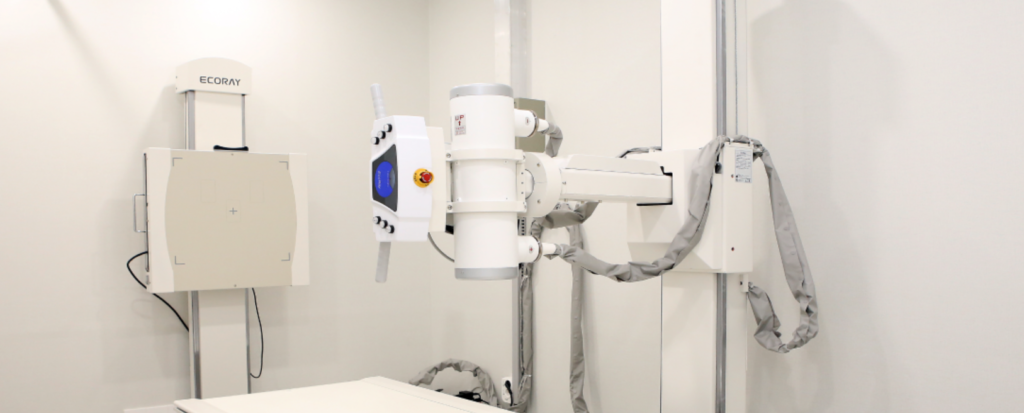
- Chest imaging
- Pulmonary function testing
- Bone mineral density testing
- Electrocardiogram
- Vision and hearing tests
- Abdominal examination
- Gastroscopy or upper gastrointestinal examination
- Physician consultation
The exact examination list varies by hospital and program.
Some packages focus mainly on general preventive screening, while others include more extensive imaging, cancer screening, cardiovascular testing or examinations tailored to men or women.
A full body checkup is intended for screening and prevention. It does not guarantee that every possible disease will be detected, and additional testing may be required if an abnormal result is found.

Why Do International Patients Choose Health Screening in Korea?
International patients choose health screening in Korea because hospitals combine comprehensive testing, advanced diagnostic equipment and efficient scheduling within structured health checkup programs.
Here are the main advantages of getting a full body checkup in Korea:
1. Multiple Tests in One Visit
Korean health screening centres coordinate blood tests, imaging, endoscopy and physician consultations in one location. This reduces the need to arrange separate appointments at multiple clinics.
2. Programs for Different Needs and Budgets
Most hospitals offer several program levels, such as:
- Basic
- Premium
- VIP
- Specialised screening
Patients can select a package based on their age, medical history, health concerns and budget.
3. Advanced Diagnostic Options
Depending on the hospital and program, patients may be able to add:
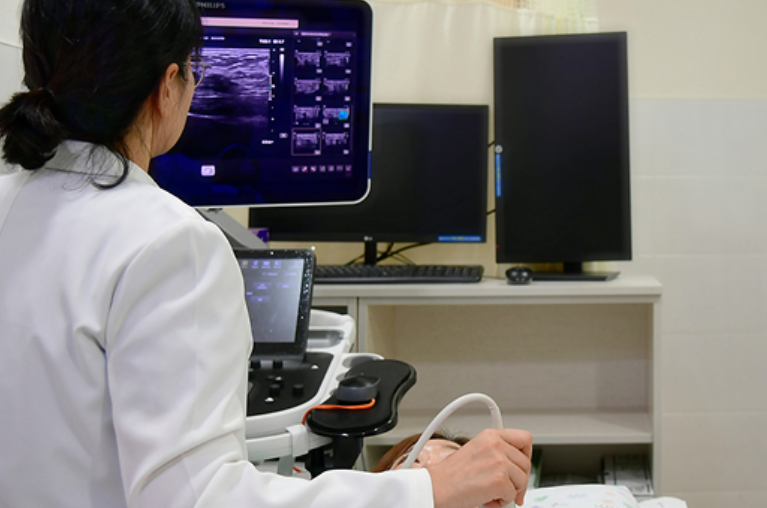
- Ultrasound
- Colonoscopy
- CT
- MRI or MRA
- Cancer screening
- Cardiovascular testing
- Brain or musculoskeletal screening
These examinations may be included in advanced packages or added individually when appropriate.
4. Efficient One-Day Health Screening
Many Basic and Premium programs can be completed within one morning or day. More advanced programs may take longer when they include colonoscopy, MRI, multiple imaging tests or specialist consultations.
5. Support for International Patients
International-friendly hospitals may offer:
- English-speaking medical staff
- Interpretation support
- English health screening reports
- International patient coordination
- Assistance with preparation instructions
The availability of these services varies by hospital, so it is important to confirm them before booking.
Korea offers structured health screening programs, advanced testing options and convenient scheduling. MediCaddy Korea helps international patients compare hospitals and select a program based on their health priorities, language needs, travel schedule and budget.
Full Body Health Screening Programs in Korea
Program names and examination lists differ between hospitals, but most are organised into several general levels.
1. Basic Health Screening Program
A Basic Program is suitable for people who want a general overview of their current health.
It commonly includes:
- Physical measurements
- Blood pressure
- Blood and urine tests
- Chest X-ray
- Electrocardiogram
- Pulmonary function test
- Bone mineral density
- InBody analysis
- Abdominal examination or ultrasound, depending on the hospital
- Gastroscopy
- General physician consultation
This level may be appropriate for younger adults, first-time patients or people without significant symptoms or family-history concerns.
2. Premium Health Screening Program
A Premium Program usually includes the basic examinations plus more detailed testing.
Additional items may include:
- Abdominal ultrasound
- Thyroid ultrasound
- Carotid ultrasound
- Cardiac examination
- Low-dose chest CT
- Colonoscopy
- Additional cancer markers
- Hormone testing
- More extensive blood analysis
- Stress or autonomic nervous-system testing
Premium programs are often chosen by patients in their 40s and above, or by those with specific lifestyle or family-history concerns.
3. VIP Health Screening Program
A VIP Program provides a more comprehensive health assessment and may include advanced imaging and specialist-focused examinations.
Depending on the hospital, this may include:
- Brain MRI and MRA
- Cardiac CT
- Chest and abdominal CT
- Gastroscopy and colonoscopy
- Multiple ultrasound examinations
- Cancer-focused screening
- Cardiovascular screening
- Detailed metabolic testing
- Specialist consultations
- Private or premium examination facilities
VIP packages are not automatically necessary for everyone. The most expensive program is not always the most appropriate one.
Your age, symptoms, previous medical records, family history and exposure to radiation should be considered before selecting extensive CT or imaging examinations.
Optional Tests You Can Add
In addition to the main package, patients may be able to select optional examinations.
Common add-ons include:
- Abdominal ultrasound
- Thyroid ultrasound
- Breast ultrasound
- Pelvic ultrasound
- Colonoscopy
- Low-dose chest CT
- Abdominal CT
- Cardiac CT
- Brain MRI and MRA
- Allergy testing
- Cancer-marker blood tests
- Hormone tests
- Vitamin and nutritional testing
- Stress evaluation
- Sleep-related screening
- Musculoskeletal MRI
- Bone and joint examinations
Not every optional test is suitable for every person.
The decision should be based on medical history and risk factors rather than simply adding as many examinations as possible.
Specialised Health Screening Programs
In addition to Basic, Premium and VIP packages, many Korean hospitals offer specialised health screening programs focused on particular areas of health.
The exact tests vary by hospital, but the table below shows the most common types of specialised screening.
| Program | Main Focus | Common Examinations | Recommended For |
|---|---|---|---|
| Women’s Health Screening | Breast, gynaecological, hormonal and bone health | Gynaecological consultation, pelvic ultrasound, cervical cancer screening, breast ultrasound, mammography, hormone testing and bone mineral density | Women who want age-appropriate screening, have gynaecological symptoms, or have a family history of breast or reproductive-system conditions |
| Men’s Health Screening | Prostate, urological, hormonal and metabolic health | PSA blood test, prostate examination or ultrasound, hormone testing, cardiovascular risk assessment and metabolic screening | Men concerned about prostate health, hormonal changes, urinary symptoms or age-related health risks |
| Brain Health Screening | Brain structure, cerebral blood vessels and stroke risk | Brain MRI, brain MRA, carotid ultrasound, cognitive assessment and neurological consultation | People with headaches, dizziness, neurological symptoms, vascular risk factors or a family history of stroke |
| Musculoskeletal Health Screening | Spine, joints, bones, posture and chronic pain | Cervical or lumbar spine imaging, joint X-rays or MRI, bone density testing, posture assessment and orthopaedic consultation | People with back pain, neck pain, joint stiffness, previous injuries or work-related musculoskeletal concerns |
These specialised programs can often be booked independently or added to a broader full body checkup.
Not every examination is necessary for every patient. The appropriate program should be selected according to your age, symptoms, medical history, family history and previous test results.
Full Body Checkup Cost in Korea
The cost of a full body checkup in Korea varies substantially depending on the hospital, program level and optional examinations.
As a general reference based on programs available through some MediCaddy Korea partner hospitals:
| Program Level | Approximate Price |
|---|---|
| Basic Health Screening | From around ₩800,000 |
| Basic or Premium Program with additional tests | Around ₩1,000,000–₩2,000,000 |
| Advanced or VIP Health Screening | Around ₩2,000,000–₩3,000,000 or more |
These prices are reference ranges only.
Each hospital uses different program names, package structures and examination combinations. A Basic Program at one hospital may contain different tests from a similarly named program at another hospital.
The final price may vary depending on:
- Hospital
- Program level
- Gastroscopy or colonoscopy
- Sedation
- CT, MRI or MRA
- Ultrasound examinations
- Cancer screening
- Men’s or women’s examinations
- Musculoskeletal testing
- English medical report
- Specialist consultations
- Additional follow-up testing
Before booking, request a complete examination list rather than comparing programs only by name or price.
MediCaddy Korea can compare available programs and help identify which package most closely matches your goals and budget.
How to Choose the Right Health Screening Program
The best program is not necessarily the largest or most expensive package.
Before selecting a health screening program, consider:
- Your age
- Current symptoms
- Chronic medical conditions
- Family history of cancer, stroke or cardiovascular disease
- Previous operations
- Previous checkup results
- Smoking and alcohol history
- Current medications
- Preferred budget
- Time available in Korea
For example, a younger traveller without major risk factors may only need a basic program with selected add-ons.
A patient with a strong family history of stroke may wish to discuss brain or vascular screening.
Someone with chronic back or joint pain may benefit more from a musculoskeletal package than from unrelated imaging.
A responsible consultation should help you prioritise relevant examinations rather than automatically recommending the most expensive package.
Preparing for a Health Checkup in Korea
Preparation instructions differ depending on the selected tests.
Common instructions may include:
- Fasting from the previous evening
- Avoiding alcohol before the examination
- Stopping certain supplements
- Confirming whether regular medication should be taken
- Preparing bowel-cleansing medication before colonoscopy
- Avoiding pregnancy-related radiation exposure
- Bringing previous medical records and imaging
- Informing the hospital about allergies
- Informing staff about anticoagulants or diabetes medication
Do not stop prescribed medication without medical guidance.
Hospitals may also ask about pregnancy, menstruation, prior endoscopy results, implants or metal devices before imaging examinations.
How Long Does a Full Body Checkup Take?
A basic program may take approximately three to five hours.
More comprehensive programs can take most of the day, particularly when they include:
- Sedated gastroscopy
- Colonoscopy
- Multiple imaging examinations
- MRI or MRA
- Specialist consultations
- Follow-up explanations
Some results may be discussed on the same day, while the final written report may take several days or longer.
Result-delivery times and available languages vary by institution. Always confirm this before your appointment, especially when you are leaving Korea shortly after the examination.
Who Is MediCaddy Korea Recommended For?
Booking through MediCaddy Korea may be especially helpful if you:
- Are unsure which health screening program to choose
- Want to compare hospitals and packages
- Have a specific budget
- Need tests related to women’s health, men’s health, brain health or musculoskeletal concerns
- Need foreign-language support
- Want transparent information without paid hospital advertising
- Are visiting Busan and require appointment coordination, interpretation or in-person assistance
- Need help understanding preparation instructions
- Want assistance communicating your medical history before the visit
MediCaddy Korea Services
MediCaddy Korea helps international patients compare Korean hospitals and choose a health screening program that matches their medical priorities, travel schedule and budget.
| Service | How MediCaddy Korea Helps |
|---|---|
| Free One-to-One Consultation | We review your age, health concerns, family history, previous examinations, preferred budget and travel dates to understand what type of health screening may be suitable. |
| Transparent Hospital Matching | We recommend hospitals based on your individual needs rather than sending every patient to the same provider. Our matching process is not based on paid advertising placement. |
| Program and Price Comparison | We compare Basic, Premium, VIP and specialised packages, including the examinations provided, optional tests, estimated duration and expected price. |
| Appointment Coordination | We contact the hospital, check availability, confirm the selected program and coordinate the appointment around your schedule in Korea. |
| Language and Communication Support | We help communicate your symptoms, medical history, medications and screening priorities. We also explain preparation instructions and important hospital information in a language you understand. |
| Busan Interpretation and Visit Support | For hospital visits in Busan, we can provide on-site interpretation, appointment guidance and visit coordination, depending on the selected service and staff availability. |
The purpose of MediCaddy Korea’s consultation is not to recommend the most expensive package or the largest number of tests.
Our goal is to help you find a hospital and health screening program that is appropriate for your needs while reducing difficulties related to language, pricing, booking and preparation.
Frequently Asked Questions
How much does a full body checkup cost in Korea?
A basic full body checkup in Korea may start from approximately ₩800,000 at some hospitals. Depending on the program and additional examinations such as colonoscopy, CT, MRI, ultrasound or cancer screening, the total cost may range from around ₩1,000,000 to ₩3,000,000 or more. Prices vary by hospital, so the included examination list should always be confirmed before booking.
What is included in a full body checkup in Korea?
A basic program commonly includes physical measurements, blood and urine tests, chest imaging, electrocardiogram, pulmonary function testing, bone density, body-composition analysis and gastroscopy. Ultrasound, colonoscopy, CT, MRI, cancer screening and specialised examinations may be included in higher-level packages or selected as add-ons.
What is the difference between a health checkup and health screening?
The terms are often used interchangeably. A health checkup generally refers to an overall medical assessment, while health screening refers more specifically to tests intended to detect risk factors or diseases before symptoms appear. Korean hospitals commonly combine both within a structured screening program.
Can foreigners go to a hospital in Korea?
Yes. Foreigners can receive medical care and health screening in Korea. Many hospitals accept international patients, and larger institutions may operate dedicated international healthcare centres. However, booking procedures, language support, medical-report formats and payment requirements differ between hospitals.
Do foreigners need Korean National Health Insurance for a health checkup?
No. International visitors can generally book private health screening programs and pay directly. Korean National Health Insurance coverage is not required for a privately paid screening package. The price and payment process should be confirmed with the hospital before the appointment.
What is the best country for a full body check-up?
There is no single best country for every patient. The right destination depends on medical quality, available screening programs, price, language support, travel convenience and follow-up care. Korea is a strong option for patients who value comprehensive packages, advanced diagnostic equipment, efficient scheduling and international-patient support, but patients should compare hospitals and choose a program suited to their personal risk factors.
Can I complete a health screening in Korea in one day?
Many basic and premium programs can be completed within one morning or day. Advanced programs involving colonoscopy, multiple imaging tests, MRI or specialist consultations may require a longer appointment or additional visits.
Do I need to fast before a full body checkup?
Usually, yes. Most programs involving blood tests, abdominal ultrasound or gastroscopy require fasting from the previous evening. The exact fasting time and medication instructions depend on the selected examinations, so follow the hospital’s preparation guide carefully.
Can I add a colonoscopy or MRI to a basic health checkup?
Often, yes. Many hospitals allow patients to add colonoscopy, CT, ultrasound, MRI, MRA or specialised screening to a standard program. Availability depends on the hospital and may require advance reservation.
Will I receive my health screening results in English?
Most international-friendly hospitals can provide English health screening reports or translated summaries, although availability may vary depending on the hospital and the selected program.
If receiving your results in English is important, MediCaddy Korea can recommend hospitals that provide English-language reports and international patient support. We help you confirm report availability, expected delivery time and any additional translation fees before your appointment, so you know exactly what to expect.
Plan Your Health Screening in Korea
A full body checkup in Korea can be a practical way to review your overall health while completing multiple examinations through one coordinated program.
The key is not to choose the package with the largest number of tests. It is to select examinations that are relevant to your age, medical history, symptoms and family risks.
MediCaddy Korea provides free personalised consultation and helps international patients compare hospitals, understand health screening programs, confirm prices and arrange appointments.
For patients visiting Busan, interpretation and hospital-visit support may also be available based on the selected service.
Start by sharing your age, main health concerns, preferred budget and travel dates. MediCaddy Korea will help you identify a suitable health screening program in Korea.